Fiber is having a moment. Get it from food.
Fiber is having a very loud year. In 2026 you can barely open a feed without someone "fibermaxxing": a scoop in every drink, cookies that taste like cardboard, and a quiet sense that you are falling behind if your breakfast is just breakfast.
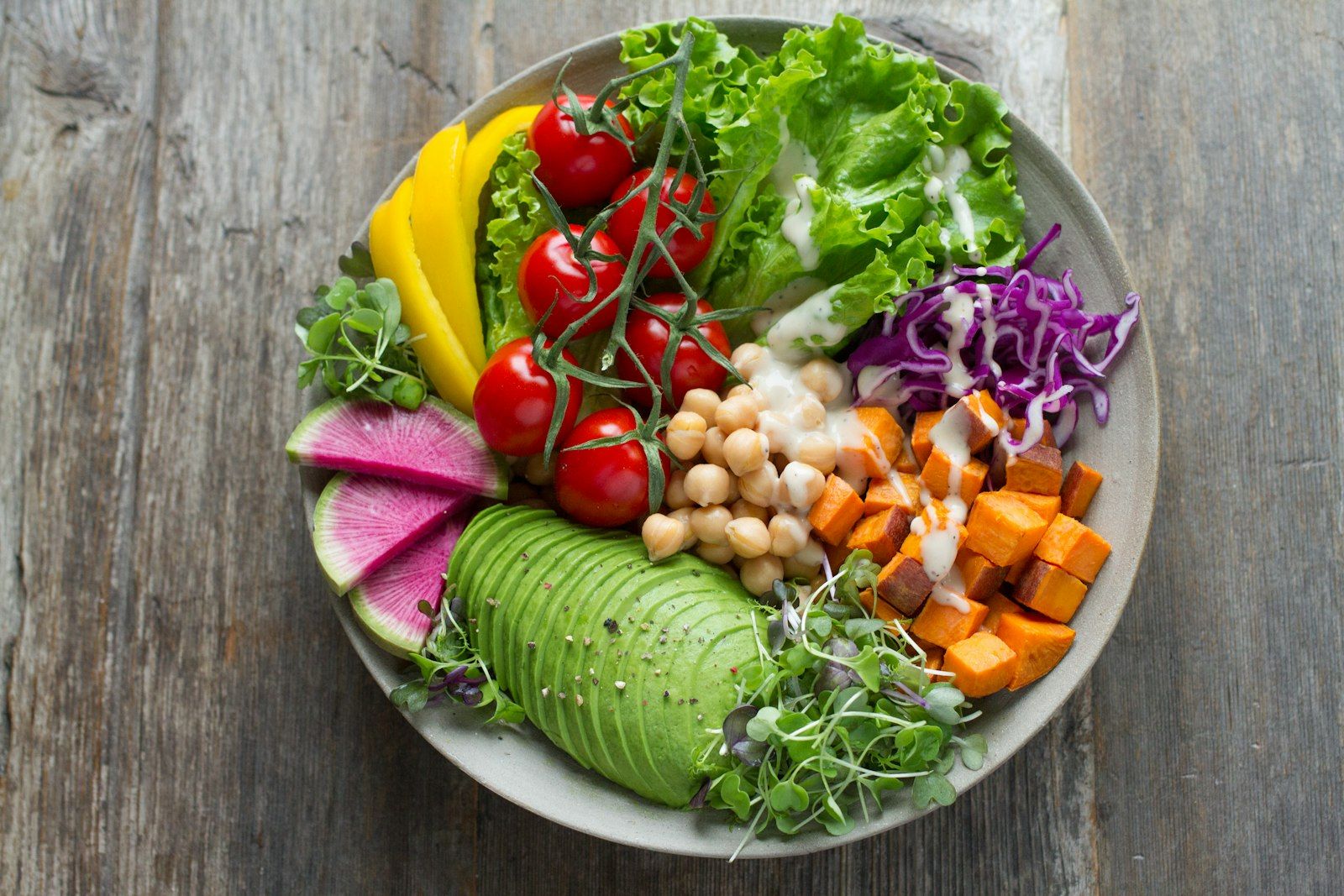
There is a useful version of this moment. It is not a contest and it is not a powder. It is beans, fruit, vegetables, and whole grains showing up on the plate a little more often.
Fiber helps meals feel satisfying. It is part of how digestion usually works. It is not a personality, a cleanse, or a moral score. You do not have to maximize anything to eat well.
Why food fiber is different from a scoop
A powder is one ingredient doing one job. Fiber from food comes with water, flavor, and the rest of the plant: color, texture, and the kind of fullness that lasts past mid-afternoon.
That does not make powders evil. Some people use them with a clinician when eating enough plants is genuinely hard. For most of us, though, the trend is selling a shortcut around lunch.
You do not need a new product to eat more plants. You need a slightly kinder pace, and meals you already recognize.
Think of a bowl of lentil soup, an orange after lunch, or freekeh with vegetables. Those plates already carry fiber, and they also carry the rest of a meal.
How to add more this week without GI misery
The fastest way to hate fiber is to triple it overnight. Your gut likes gradual change, and it likes water.
Start with one extra plant food a day, not five. A pear with breakfast. A handful of chickpeas on a salad. Brown rice instead of white once or twice. Lentils stirred into a soup you already make.
Drink water with those meals. Fiber holds fluid; without enough of it, things can feel stuck, bloated, or crampy. This is not a punishment. It is practical.
If you already have a sensitive gut, go even slower. Cooked vegetables are often gentler than a huge raw salad. Peeled fruit, well-cooked beans, and oats can be easier than bran cereals and fiber gummies stacked on top of each other.
Give each change a few days before you add the next one. Comfort is information. If something feels like too much, scale back. You are allowed to.
Small, ordinary additions
You do not need a fiber protocol. Try any two of these this week:
Add fruit to the breakfast you already eat.
Keep a can of beans or lentils for soups, rice, and salads.
Put extra vegetables on the plate you were going to make anyway.
Swap one refined grain for a whole one: bulgur, oats, brown bread, or freekeh.
Snack on fruit, yogurt with berries, or roasted chickpeas instead of reaching only for something packaged.
Notice how you feel: energy through the afternoon, digestion, fullness after meals. There is no prize for the highest gram count on an app.
If you work with a nutritionist through NutriFit, they can help you raise fiber at a pace that fits your meals and your gut, not a viral checklist.
The useful version of fibermaxxing is quietly boring. It looks like food.
Start Free – Your Plan Is Ready Tomorrow
Download free, match with a nutritionist, wake up to breakfast at 7:30 AM already planned.